Sleep deprivation in children means they do not get enough rest for their age. This problem is common, but many parents may not notice it right away. Sleep is vital for a child’s body and mind. Therefore, understanding the effects of sleep deprivation in children on growth is important for parents and caregivers. When children miss out on sleep, it can affect their physical growth, learning, and mood. In this blog, we will explain how sleep problems can impact your child’s health and what you can do to help.
What Is Sleep Deprivation in Children?
Sleep deprivation happens when a child does not get the recommended hours of sleep. For example, school-age children usually need 9 to 12 hours each night. However, many kids get less than this. Sometimes, busy schedules, screen time, or stress can cause child sleep problems. Over time, not getting enough sleep can lead to health issues. According to the CDC, sleep is as important as food and exercise for children’s growth.
How Sleep Supports Growth and Development
During sleep, a child’s body works hard to grow and repair itself. For instance, growth hormone is released mostly at night. This hormone helps bones and muscles develop. In addition, sleep helps the brain process new information. As a result, children wake up ready to learn and play. Healthy sleep habits for kids support both body and mind. Without enough rest, these important processes slow down.
Effects of Sleep Deprivation on Physical Growth
Sleep deprivation in children can affect physical growth in many ways. For example, lack of sleep may lower the amount of growth hormone released. This can slow down height and muscle development. Also, children who do not sleep enough may gain extra weight. This is because sleep helps control hunger and metabolism. Over time, poor sleep can increase the risk of obesity and other health problems. The World Health Organization notes that good sleep is key for healthy growth in kids.
Impact on Cognitive and Emotional Development
Not only does sleep affect the body, but it also shapes the mind. Children who do not get enough sleep may have trouble paying attention in school. In addition, they may forget things more easily. Over time, this can hurt learning and memory. Sleep deprivation can also cause mood swings. For example, a tired child may feel cranky, sad, or anxious. According to the CDC, good sleep helps children manage emotions and behavior.
Recognizing Signs of Sleep Deprivation
It is not always easy to spot sleep deprivation in children. However, there are some common signs parents can watch for. For instance, a child may have trouble waking up in the morning. They may also seem tired during the day. In some cases, children become more active or hyper when they lack sleep. Other signs include mood changes and trouble focusing at school. If you notice these signs, your child may need more rest.
Tips to Improve Sleep in Children
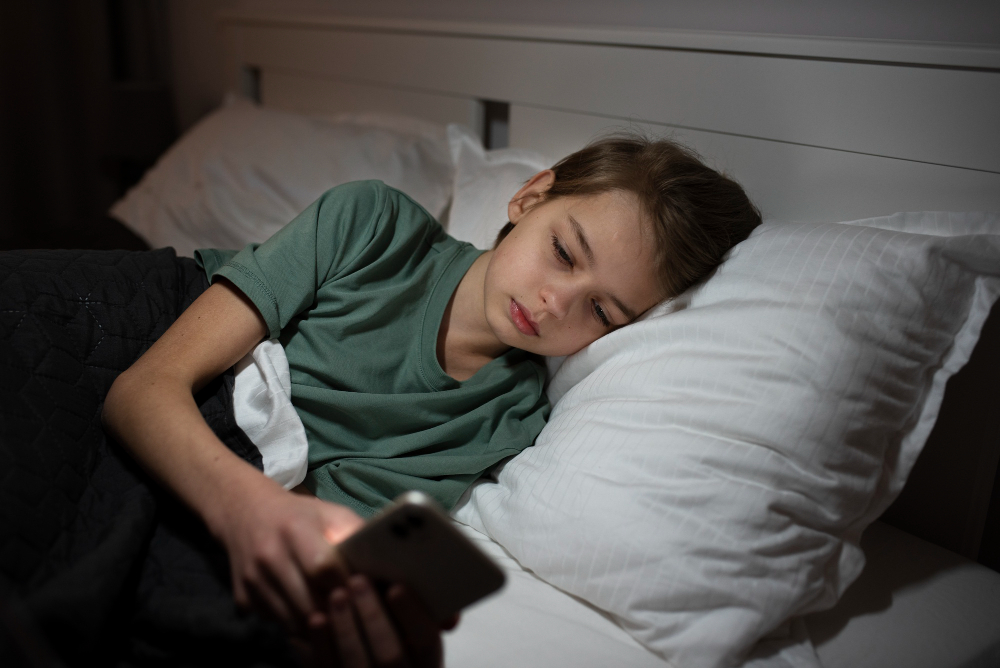
There are many ways to help your child get better sleep. First, set a regular bedtime and wake-up time. This helps the body know when to rest. Next, create a calming bedtime routine, such as reading or taking a warm bath. Also, limit screen time before bed, as bright screens can make it harder to fall asleep. In addition, keep the bedroom cool, quiet, and dark. Healthy sleep habits for kids can make a big difference.
Prevention and When to Seek Medical Advice
Preventing sleep deprivation in children starts with good habits at home. However, sometimes sleep problems continue even with these changes. If your child snores loudly, stops breathing during sleep, or has ongoing trouble falling asleep, it may be time to see a doctor. In some cases, medical conditions like sleep apnea or anxiety can cause sleep loss. Therefore, always consult a pediatrician if you have concerns about your child’s sleep or growth. Early help can prevent long-term problems.
In summary, sleep deprivation in children can affect growth, learning, and mood. But with healthy sleep habits, most kids can get the rest they need. If you notice ongoing sleep problems, consult Cuddle Children Clinic for personalized advice on your child’s sleep and growth.