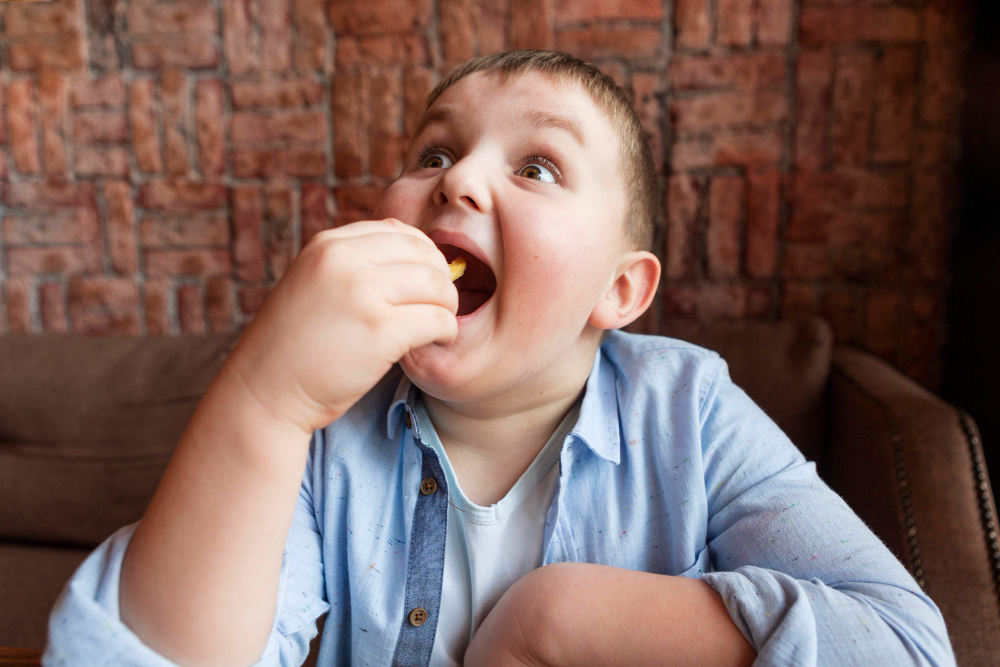
Childhood obesity is becoming more common in the United States and around the world. Early recognition of the signs and symptoms of childhood obesity is important. When parents spot these early signs, they can help their child get the right care. Knowing what to look for can make a big difference in your child’s health and future.
What is Childhood Obesity?
Childhood obesity means a child has too much body fat for their age and height. Doctors often use a tool called Body Mass Index (BMI) to check this. If a child’s BMI is much higher than other kids of the same age and gender, they may be considered obese. This condition can lead to health problems both now and later in life.
Common Signs of Childhood Obesity
It is important to know how to spot obesity in children. Here are some common signs parents may notice:
Symptoms Associated with Childhood Obesity
Besides visible signs, children with obesity may show other symptoms. These can affect their body, mind, and daily life. For example, some children may feel tired more often. Others may have trouble keeping up with friends during play. Here are some symptoms to watch for:
When to Seek Medical Advice
It is important to talk to a pediatrician if you notice these signs or symptoms in your child. Early help can prevent health problems later. You should seek medical advice if:
Doctors can check your child’s health and suggest safe ways to manage weight. They may also look for other health issues related to obesity, such as high blood pressure or diabetes.
According to the Centers for Disease Control and Prevention (CDC) and the World Health Organization (WHO), early action is key to helping children live healthier lives.
If you notice these signs or symptoms in your child, consult a pediatric specialist at Cuddle Children Clinic for personalized advice.