
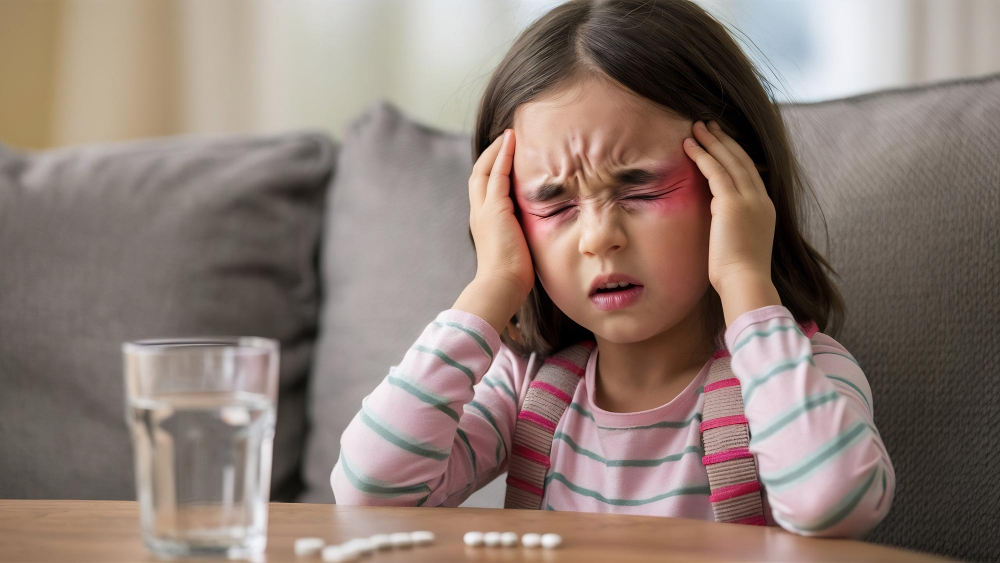
What is Pediatric Migraine?
Pediatric migraine is a type of headache that affects children and teens. Unlike regular headaches, migraines can cause severe pain and other symptoms. In fact, migraine in children may look different than in adults. Early recognition helps children get the right care. According to the CDC, about 10% of school-aged children in the United States experience migraines. Because children may not always describe their pain well, parents should watch for signs of migraine in children.
Common Symptoms
Children with pediatric migraine may have symptoms that differ from adults. For example, their headaches may last less time. Still, migraines can disrupt daily life. Watch for these common childhood migraine symptoms:
Sometimes, children may have an “aura” before the headache starts. This can include seeing flashing lights or feeling tingling in the arms or face. However, not all children experience aura.
Causes and Risk Factors
While the exact cause of pediatric migraine is not fully known, several factors may play a role. For instance, genetics can increase the risk. If a parent has migraines, their child is more likely to have them too. Other risk factors include:
Because triggers can vary, keeping a headache diary may help find patterns.
Diagnosis
Doctors diagnose pediatric migraine by reviewing symptoms and medical history. Usually, no special tests are needed. However, your child’s doctor may ask about:
Sometimes, doctors may order tests to rule out other causes. For example, they may use imaging if the headaches are severe or sudden. Still, most cases are diagnosed based on symptoms alone.
Treatment Options
Treatment for pediatric migraine aims to reduce pain and prevent future attacks. Often, a mix of medicine and lifestyle changes works best. Your child’s doctor may suggest:
Because some medicines are not safe for children, always follow your doctor’s advice. In addition, some children benefit from counseling or stress management techniques.
Lifestyle Tips and Prevention
While medicine can help, healthy habits also play a big role in managing migraine in children. Try these tips to prevent attacks:
Additionally, talk to your child’s school about their needs. Some children may need rest breaks or a quiet space during the day.
When to See a Doctor
Although most migraines are not dangerous, some signs need quick medical attention. Contact your child’s doctor if:
Early treatment can prevent complications and improve your child’s quality of life.
If your child experiences migraine symptoms, consult a pediatric specialist at Cuddle Children Clinic for personalized care.