What is Noisy Breathing (Stridor) in Children?
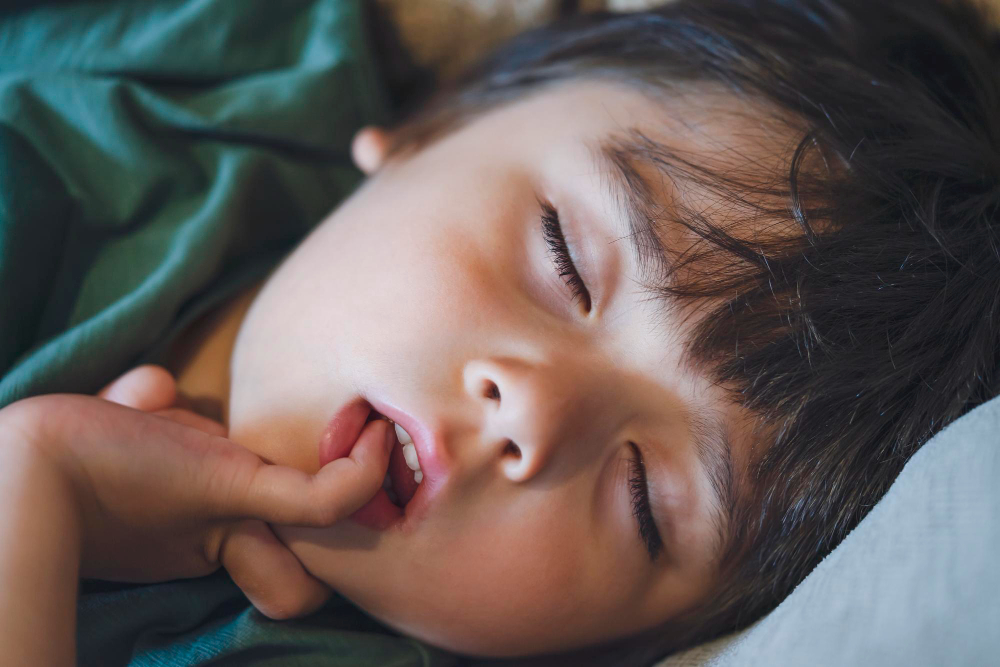
Noisy breathing in children, also called stridor, is a harsh or high-pitched sound when a child breathes. Often, this sound is most noticeable when your child breathes in. Stridor happens when something blocks or narrows the airway. Because breathing is vital, any change in your child’s breathing can be worrying. Therefore, understanding noisy breathing in children helps parents and caregivers act quickly and keep children safe.
Common Causes of Stridor in Children
Many things can cause noisy breathing in children. Some causes are mild, while others need urgent care. Here are the most common reasons:
Since some causes are emergencies, it is important to watch your child closely.
Recognizing Symptoms and When to Seek Help
Stridor is not the only sign of a problem. You may notice other symptoms along with noisy breathing in children. For example, your child may:
If your child has noisy breathing with any of these signs, seek medical help right away. Especially if your child is drooling, cannot speak, or is gasping for air, call emergency services. Early action can save lives.
Diagnosis: How Doctors Identify Stridor
Doctors use several steps to find the cause of noisy breathing in children. First, they will ask about your child’s symptoms and medical history. Next, they will listen to your child’s breathing and check the throat and chest. Sometimes, doctors use special tools to look inside the airway. For example, they may use a small camera called a laryngoscope. In some cases, X-rays or other scans help find the problem. Because each child is different, doctors choose the best tests for each situation. According to the CDC, early diagnosis helps guide the right treatment.
Treatment Options for Noisy Breathing in Children
Treatment depends on what is causing the stridor. For mild cases, such as laryngomalacia, children often get better as they grow. However, other causes may need quick care. Here are some common treatments:
Because each child is unique, doctors create a care plan that fits your child’s needs.
Home Care and Prevention Tips
While some causes of noisy breathing in children need medical care, you can help at home in mild cases. Here are some tips:
However, always follow your doctor’s advice. If symptoms get worse, seek help right away.
Frequently Asked Questions (FAQs)
If your child has noisy breathing, consult a pediatric specialist at Cuddle Children Clinic for personalized guidance.