What is Neonatal Hypoglycemia?
Neonatal Hypoglycemia means low blood sugar in newborns. Blood sugar, or glucose, is the main source of energy for a baby’s body and brain. After birth, babies must keep their own blood sugar levels steady. Sometimes, though, a newborn’s blood sugar drops too low. This can be dangerous if not treated quickly. According to the CDC, early detection and care are important for a healthy start.
Causes of Neonatal Hypoglycemia
Many factors can cause low blood sugar in newborns. Some babies are at higher risk than others. For example, babies born early or with certain health conditions may face more risk. Below are common causes:
Because these causes vary, doctors watch newborns closely, especially if they are at risk.
Symptoms and Warning Signs
Neonatal Hypoglycemia can be hard to spot. Still, some signs may show up. Early symptoms often include:
However, not all babies show clear symptoms. Therefore, regular screening is important for at-risk newborns.
Diagnosis and Screening
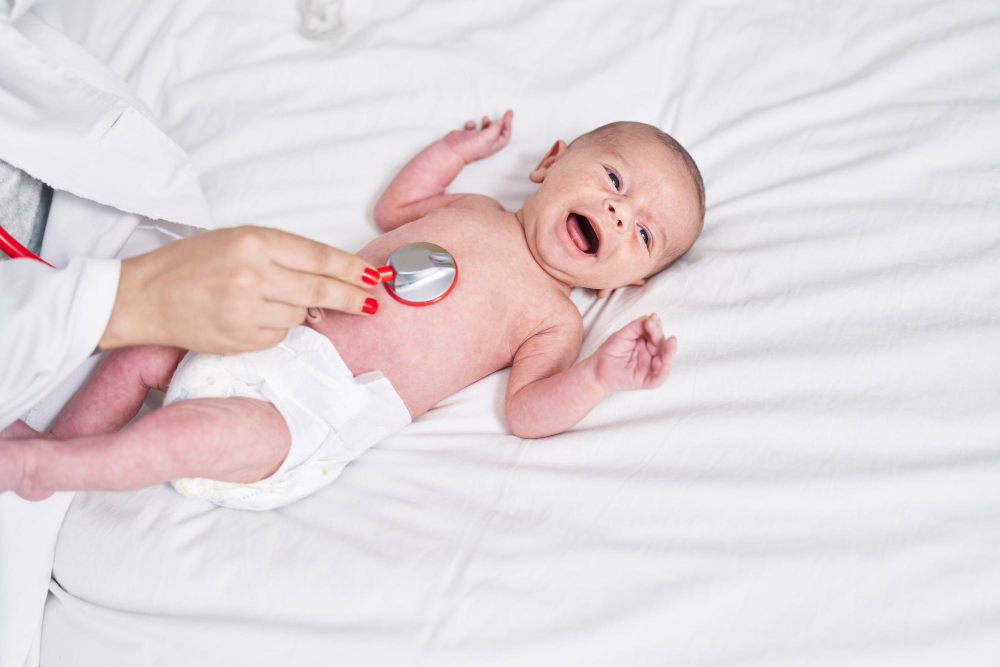
Doctors use simple blood tests to check for Neonatal Hypoglycemia. Usually, they prick the baby’s heel to get a small blood sample. This test measures the blood sugar level. If the level is too low, the doctor may repeat the test. In many hospitals, at-risk babies are screened within the first few hours after birth. According to the American Academy of Pediatrics, early screening helps prevent problems later.
Treatment Options
Treatment for Neonatal Hypoglycemia depends on how low the blood sugar is and the baby’s symptoms. Often, doctors act quickly to raise the sugar level. Common treatments include:
Most babies respond well to these treatments. Still, doctors will keep checking blood sugar to make sure it stays normal.
Prevention and Parental Guidance
Parents can help lower the risk of Neonatal Hypoglycemia. Here are some tips:
Additionally, ask your care team about screening if your baby was born early or had a tough delivery. Early action can help prevent problems.
When to Seek Medical Help
If you notice any warning signs of Neonatal Hypoglycemia, get medical help right away. For example, if your newborn is very sleepy, not feeding, or has shaking or seizures, call your doctor. Quick treatment can prevent serious health issues. Even if you are unsure, it is better to ask your healthcare provider.
If you suspect neonatal hypoglycemia in your newborn, consult a pediatric specialist at Cuddle Children Clinic for personalized care.