
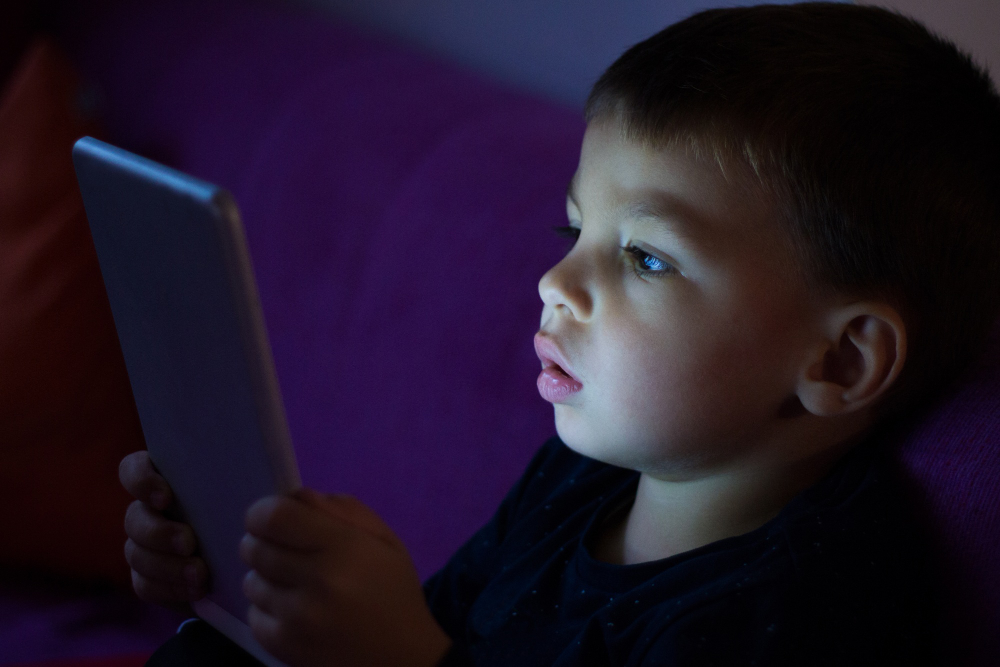
Many parents wonder about their child’s screen time affecting development. Today, screens are everywhere. Children use tablets, phones, and computers for learning and fun. However, too much screen time can impact how kids grow and learn. Because of this, experts share guidelines to help families find a healthy balance. Understanding the effects of screen time on child development can help you make informed choices for your family.
What Is Screen Time in Children?
Screen time means any time your child spends using devices with screens. For example, this includes watching TV, playing video games, or using smartphones and tablets. Even educational apps count as screen time. While some screen time can be helpful, too much may cause problems. Therefore, knowing what counts as screen time is important for parents.
Because screens are part of daily life, it helps to track how much time your child spends on them each day.
Recommended Screen Time by Age
Experts like the World Health Organization (WHO) and the American Academy of Pediatrics (AAP) offer pediatric screen time guidelines. These recommendations help families set healthy limits. For example, the right amount of screen time depends on your child’s age.
Because every child is different, these are general guidelines. However, they give families a helpful starting point.
How Screen Time Can Affect Child Development
Too much screen time can affect child development in several ways. For instance, children may spend less time playing, talking, or moving. As a result, they may miss chances to build important skills. Research shows that excessive screen time can impact:
Because of these risks, it is important to watch for changes in your child’s behavior or learning.
Signs Your Child’s Development May Be Impacted by Screen Time
Sometimes, it can be hard to tell if screen time is causing problems. However, certain signs may suggest your child’s development is being affected. If you notice these changes, consider adjusting their screen habits.
Because these signs can have many causes, talk to your child’s doctor if you are concerned.
Tips for Healthy Screen Time Habits
Although screens are part of modern life, you can help your child build healthy habits. For example, setting limits and choosing quality content can make a big difference. Here are some tips for healthy screen habits for kids:
Because children learn by example, your habits matter too.
Preventing Negative Effects of Excessive Screen Time
Preventing the negative effects of excessive screen time starts with balance. For instance, make sure screens do not replace important activities. You can help your child by:
Because early habits can last a lifetime, starting healthy routines now can support your child’s growth and well-being.