
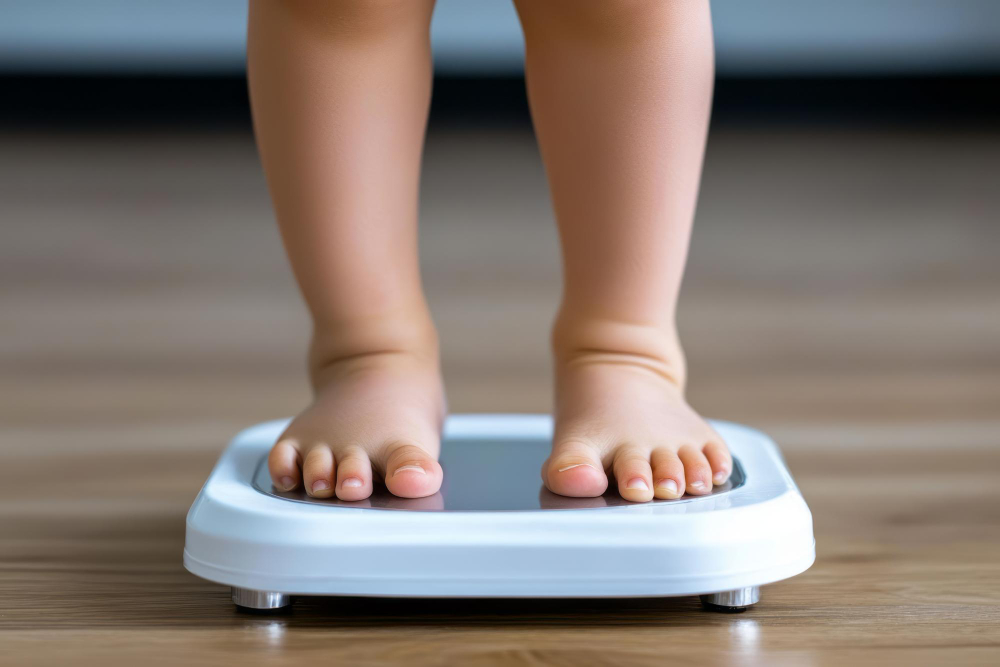
What Is Healthy Weight Gain in Children?
Healthy weight gain in children means a steady increase in weight and height as they grow. For many parents, it can be hard to know what is normal. However, growth should follow a pattern that matches a child’s age and stage. In the United States, doctors use child growth charts to track these changes. These charts help show if a child is gaining weight at a healthy rate. While some children grow faster or slower than others, healthy weight gain supports strong bones, muscles, and brain development.
Normal Growth Patterns in Childhood
Every child grows at their own pace. Still, there are common patterns that most children follow. For example, babies gain weight quickly in the first year. After that, growth slows down a bit. During school years, children grow steadily. Then, during puberty, growth speeds up again. Because each child is unique, their growth pattern may look different from their siblings or friends.
Causes of Underweight in Children
Sometimes, children do not gain weight as expected. There are many reasons this can happen. For instance, some children may have:
Because these causes can vary, it is important to talk with a pediatrician if you are worried about your child’s weight.
Signs and Symptoms to Watch For
Sometimes, it can be hard to tell if a child is underweight. However, there are signs parents and caregivers can watch for. For example, you may notice:
Additionally, if your child is not meeting growth milestones, it is a good idea to check with your doctor.
How Pediatricians Diagnose Growth Concerns
Pediatricians use several tools to check for growth concerns. First, they measure your child’s height and weight at each visit. Then, they plot these numbers on a growth chart. This helps show if your child is following a healthy pattern. Sometimes, doctors may ask about your child’s eating habits and daily routine. In some cases, they may order blood tests or check for medical conditions. Because early detection is key, regular check-ups are important for all children.
Evidence-Based Strategies for Healthy Weight Gain
When a child needs to gain weight, doctors suggest safe and proven methods. For example, they may recommend:
In addition, it is important to avoid sugary drinks or junk food. These foods may add calories but do not provide the nutrients children need for healthy growth.
Nutrition Tips for Parents and Caregivers
Good nutrition for kids is key to healthy weight gain. Parents and caregivers can help by following these tips:
Because every child is different, you may need to try new foods several times before they accept them.
Preventing Unhealthy Weight Gain
While helping a child gain weight, it is important to avoid unhealthy habits. For instance, avoid using sweets or fried foods as rewards. Instead, focus on nutrient-rich options. Encourage regular physical activity, such as playing outside or joining a sports team. Additionally, limit screen time and sugary drinks. These steps help children build healthy habits for life. In the United States, many programs support families with nutrition and wellness tips.
When to Seek Medical Advice
Sometimes, healthy weight gain in children does not happen as expected. If your child is losing weight, not growing, or seems very tired, it is time to talk to a doctor. Also, if you notice changes in appetite, behavior, or energy, seek advice. Early support can help address problems before they become serious. Pediatricians can guide you on how to help a child gain weight safely and check for any underlying health issues.
Conclusion
If you have concerns about your child’s growth or weight, Cuddle Children Clinic is here to help. Book a visit today to get caring support and expert advice for your child’s healthy development.