
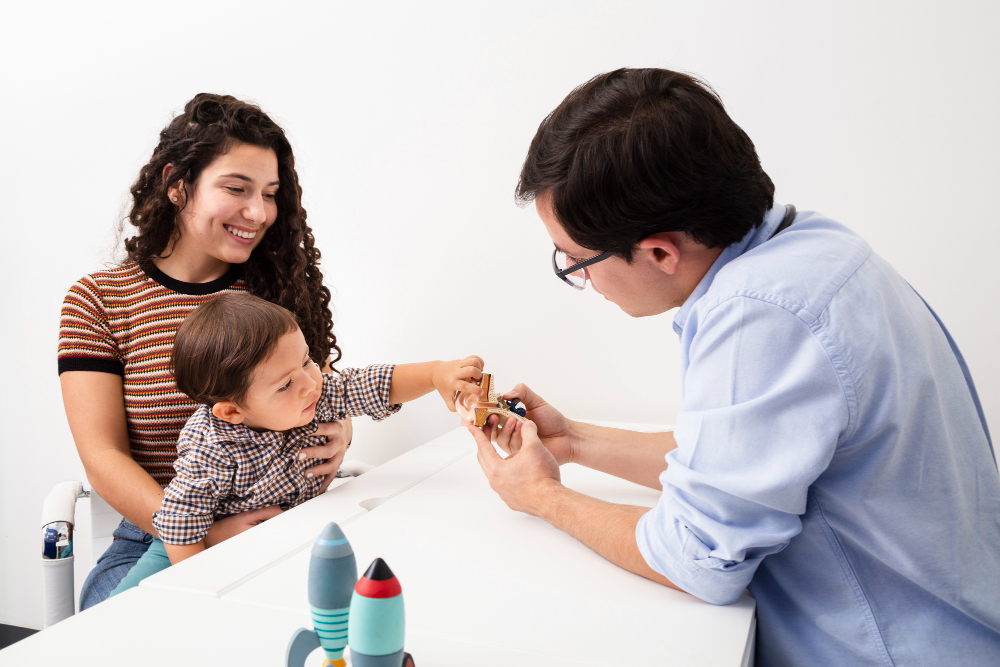
Child immunization protects children from many serious diseases. Vaccines help the body fight infections. Because of this, child immunization is a key part of keeping kids healthy. Many parents have questions about vaccines, their safety, and the childhood vaccine schedule. In this blog, we answer common parent vaccine concerns and share helpful tips.
What is Child Immunization?
Child immunization means giving vaccines to children. These vaccines help the body build protection against certain diseases. For example, vaccines can prevent measles, mumps, and polio. Usually, doctors give vaccines as shots at different ages. The childhood vaccine schedule shows when each vaccine is needed. Following this schedule keeps children safe from many illnesses.
Why is Immunization Important for Children?
Immunization protects children from diseases that can cause serious health problems. In addition, it helps stop the spread of these diseases in the community. When most children get vaccines, it protects those who cannot get them. For instance, babies who are too young or children with certain health issues rely on others being vaccinated. Therefore, keeping up with vaccines helps everyone stay healthy.
Common Questions Parents Ask
Safety and Side Effects of Vaccines
Most children have no problems after getting vaccines. Sometimes, there may be mild side effects. For example, your child might have a sore spot where the shot was given. A mild fever or fussiness can also happen. These side effects usually go away in a day or two. Serious reactions are very rare. But, if you notice anything unusual, contact your doctor right away. Health experts check vaccine safety all the time. Because of this, vaccines remain one of the safest ways to protect children.
How to Prepare Your Child for Immunization
Getting a shot can make some children nervous. However, there are ways to help your child feel better. For example:
These steps can make the experience easier for both you and your child.
Tips for Keeping Immunization Records
It is important to keep track of your child’s vaccines. This helps you know which shots your child has received. Also, schools and camps may ask for these records. Here are some tips:
Where to Get Reliable Information on Child Vaccines
For trustworthy information, always use reliable sources. For example, you can visit:
These sources give up-to-date and accurate details about child immunization, vaccine safety for kids, and the childhood vaccine schedule. Avoid websites that do not use expert sources.
In summary, child immunization is a safe and effective way to protect your child. If you have questions, consult your pediatrician at Cuddle Children Clinic for personalized advice on your child’s immunization schedule.