
Introduction
Dengue in children is a serious illness caused by a virus spread by mosquitoes. Early warning signs of dengue can help parents act quickly. Because children may not always show clear symptoms, it is important to know what to look for. Recognizing dengue symptoms in children early can prevent severe illness. In this blog, you will learn about early signs of dengue, how it spreads, and how to protect your child.
What is Dengue?
Dengue is a viral infection. It spreads through the bite of an infected Aedes mosquito. Although dengue can affect anyone, children are often at higher risk. The illness can cause fever, pain, and sometimes serious complications. However, most children recover with proper care. According to the World Health Organization (WHO), dengue is common in many tropical and subtropical areas.
How Do Children Get Dengue?
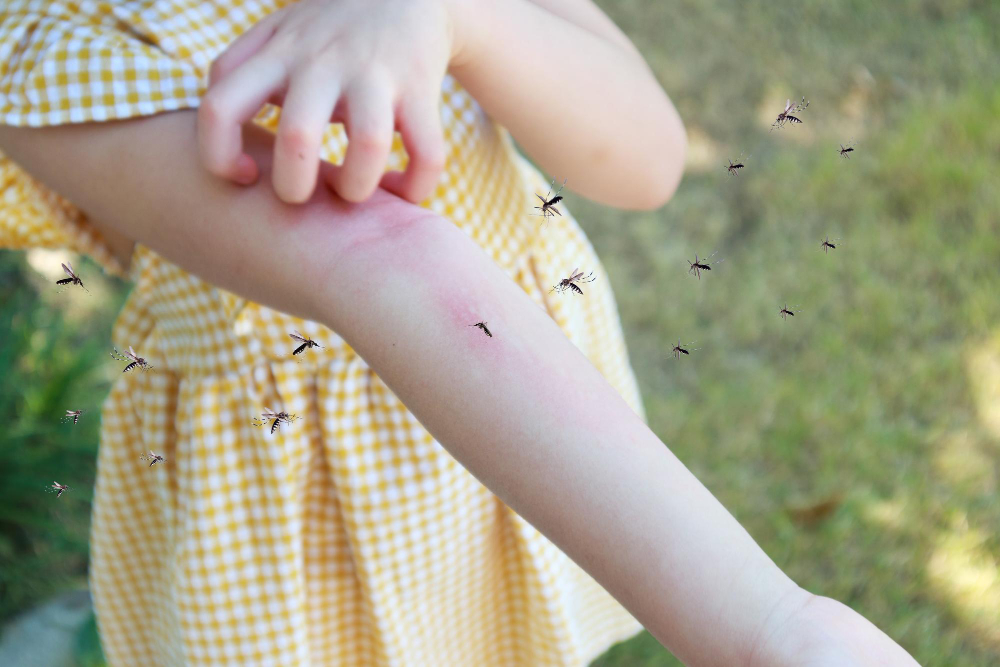
Children get dengue when bitten by a mosquito carrying the dengue virus. These mosquitoes usually bite during the day, especially early morning and late afternoon. If a mosquito bites a person with dengue, it can carry the virus and spread it to others. Because children play outside often, they may be more exposed. Also, areas with standing water, like puddles or open containers, attract these mosquitoes.
Early Warning Signs of Dengue in Children
Spotting early signs of dengue is key to getting help fast. While some symptoms are mild, others can become serious quickly. Watch for these early warning signs of dengue in children:
Sometimes, children may not show all these signs. Therefore, any sudden high fever with two or more symptoms should be taken seriously.
When to Seek Medical Help
If your child shows early signs of dengue, it is important to act quickly. Seek medical help right away if you notice:
Even if symptoms seem mild, always consult a doctor if you suspect dengue. Early treatment can prevent serious problems.
Diagnosis and Treatment Overview
Doctors diagnose dengue with a physical exam and blood tests. These tests check for the virus and signs of infection. There is no specific medicine for dengue. However, most children recover with rest, fluids, and careful monitoring. Doctors may give medicine to lower fever and ease pain. Importantly, avoid giving aspirin or ibuprofen, as these can cause bleeding. In severe cases, children may need hospital care for close monitoring and fluids.
Prevention Tips for Parents
Preventing mosquito bites is the best way to protect your child from dengue. Here are some practical dengue prevention tips for kids:
By following these steps, you can lower the risk of dengue fever warning signs in your child.
Conclusion
Dengue in children can be serious, but early action makes a big difference. Always watch for early signs of dengue and act fast if you notice them. If you notice any warning signs of dengue in your child, consult at Cuddle Children Clinic for personalized care.