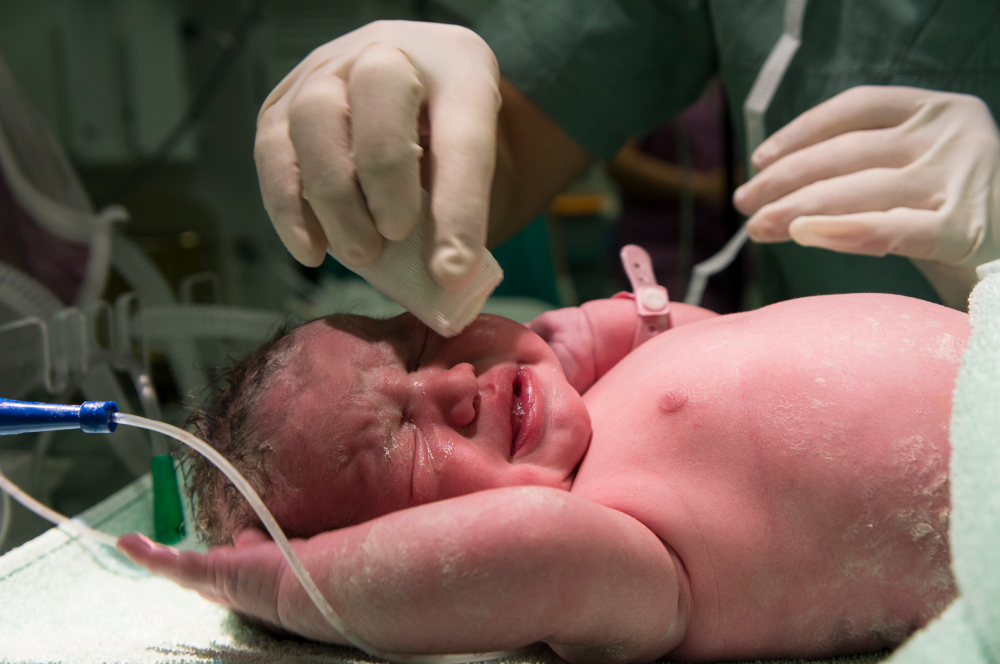
Infections in newborns are a serious concern for parents and caregivers. These infections can happen soon after birth and may affect a baby’s health quickly. Because newborns have weak immune systems, they are more likely to get sick. Early signs of infection in babies can be hard to spot, but quick action is important. In this blog, we will explain what infections in newborns are, their symptoms, causes, diagnosis, treatment, and how to prevent them. Understanding these facts can help you keep your baby safe and healthy.
What Are Infections in Newborns?
Infections in newborns, also called neonatal infections, are illnesses caused by germs like bacteria, viruses, or fungi. These germs can enter a baby’s body during birth or soon after. Sometimes, infections start before birth if the mother has an infection. Because newborns have developing immune systems, they cannot fight germs as well as older children. As a result, even mild infections can become serious quickly. Common types of newborn infections include sepsis, pneumonia, and meningitis. Each of these can cause different symptoms and may need special care.
Common Symptoms
It is important to know the early signs of infection in newborns. While some symptoms are easy to notice, others can be subtle. For example, a baby may seem less active or feed poorly. Here are some common symptoms to watch for:
If you notice any of these symptoms, seek medical help right away. Early treatment can make a big difference.
Causes and Risk Factors
Newborn infections can happen for many reasons. Often, germs pass from the mother to the baby during pregnancy or birth. However, babies can also get infections from their surroundings after birth. Some common causes and risk factors include:
Because some babies are at higher risk, doctors watch them closely for signs of infection. For example, premature babies need extra care to prevent illness.
How Are Infections Diagnosed?
Doctors use several methods to diagnose infections in newborns. First, they check the baby’s symptoms and medical history. Next, they may order tests to find the cause. Some common tests include:
Because newborn infections can get worse quickly, doctors often start treatment before all test results are ready. Early action helps protect the baby’s health.
Treatment Options
Treating infections in newborns usually involves medicines and supportive care. For example, doctors may give antibiotics if they suspect a bacterial infection. In some cases, antiviral or antifungal medicines are needed. Treatment steps may include:
Because newborns are fragile, doctors adjust treatments based on the baby’s needs. Most babies recover well with early and proper care.
Prevention Tips
Preventing infections in newborns is very important. While not all infections can be avoided, you can lower the risk with good newborn care. Here are some helpful tips:
By following these steps, you can help protect your newborn from many common infections.
When to See a Doctor
It is always better to be safe when it comes to your baby’s health. If you notice any signs of infection, such as fever, poor feeding, or unusual sleepiness, contact your doctor right away. Even mild symptoms can become serious quickly in newborns. Early medical care can prevent problems and help your baby recover faster.
Conclusion: Infections in newborns can be serious, but early action and good care make a big difference. Consult a pediatrician at Cuddle Children Clinic if you notice any signs of infection in your newborn.