
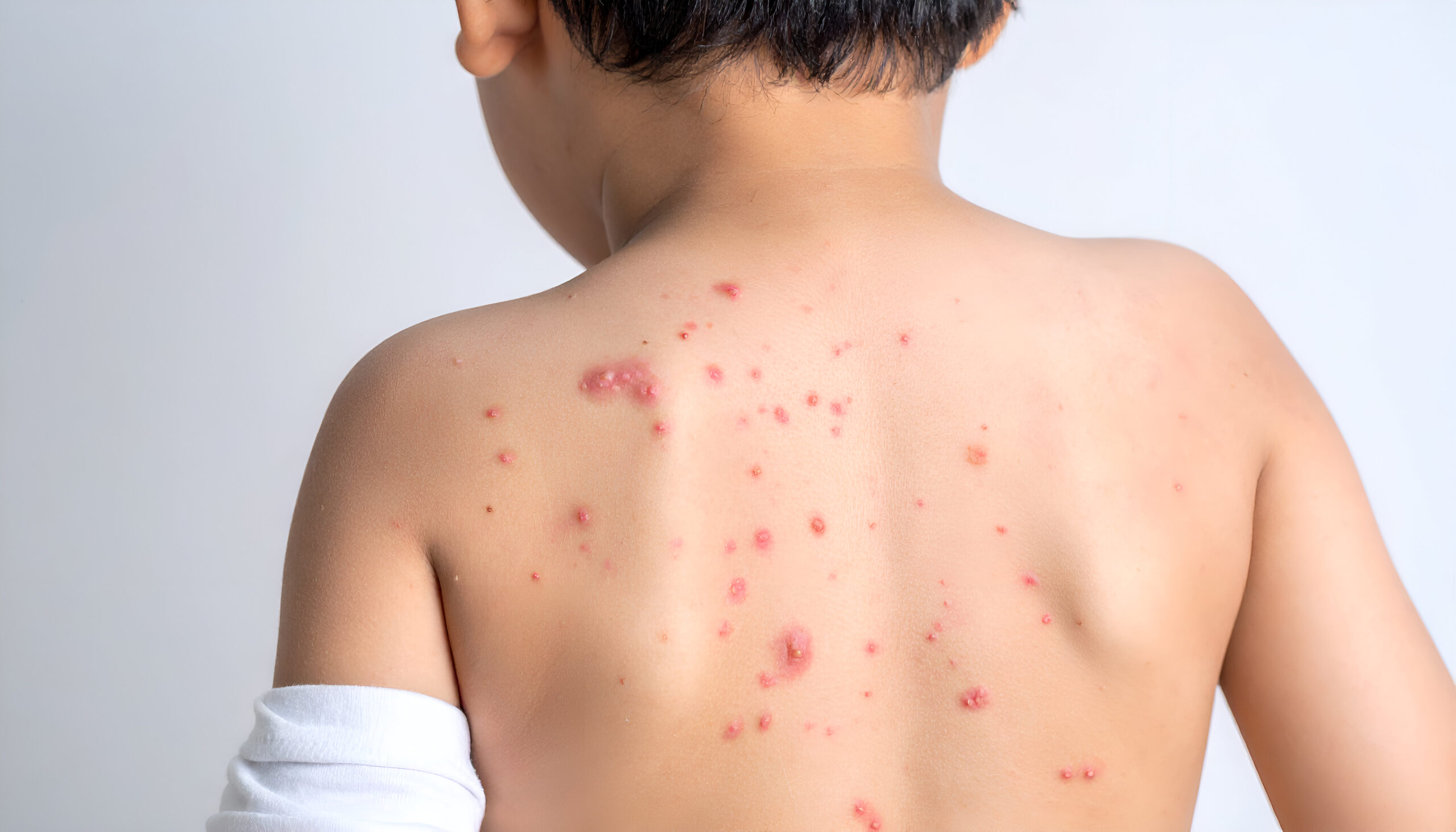
What is Measles in Children?
Measles in children is a highly contagious viral infection. It spreads easily from person to person. The disease can cause serious health problems, especially in young kids. According to the CDC and WHO, measles can lead to complications like ear infections, pneumonia, or even brain swelling. Because of this, early detection and care are very important.
Common Symptoms of Measles in Kids
Measles symptoms in kids often appear 10 to 14 days after exposure. At first, the signs may look like a regular cold. However, the symptoms quickly become more severe. Watch for these common signs:
Usually, the rash appears three to five days after the first symptoms. In many cases, the rash spreads down the body. If your child shows these signs, seek medical help right away.
Causes and Risk Factors
Measles in children is caused by the measles virus. The virus spreads through the air when an infected person coughs or sneezes. Sometimes, the virus can live on surfaces for several hours. Because of this, it is easy for kids to catch measles in crowded places.
Some risk factors include:
For these reasons, vaccination is the best way to protect your child.
How Measles is Diagnosed
Doctors usually diagnose measles in children by looking at the symptoms. However, they may also order lab tests. For example, a blood test can confirm the presence of the measles virus. Sometimes, doctors may take a throat swab or urine sample. Early diagnosis helps prevent the spread of the disease to others.
Treatment Options for Measles in Children
There is no specific medicine to cure measles. Instead, treatment focuses on easing symptoms and preventing complications. Most children recover at home with proper care. However, some may need to stay in the hospital if they develop serious problems.
Common treatment steps include:
In some cases, doctors may give vitamin A supplements. According to the WHO, vitamin A can help reduce the risk of severe illness.
Prevention Strategies: Vaccination and More
Prevention is the best way to protect children from measles. The measles, mumps, and rubella (MMR) vaccine is safe and effective. The CDC recommends that children get two doses of the MMR vaccine. Usually, the first dose is given at 12 to 15 months of age. The second dose is given at 4 to 6 years old.
Other prevention tips include:
Because measles spreads so easily, vaccination is the most important step for measles prevention.
Lifestyle and Home Care Tips
While your child recovers from measles, home care is very important. First, keep your child at home to avoid spreading the virus. Next, make sure they rest as much as possible. Offer small, frequent meals and encourage them to drink water or clear fluids. If your child has a fever, dress them in light clothing. You can also use a cool, damp cloth to help lower their temperature.
Additionally, keep the room quiet and dim if your child’s eyes are sensitive to light. If you notice any warning signs, such as trouble breathing, high fever that does not go down, or confusion, seek medical help right away.
Conclusion
Measles in children can be serious, but it is preventable. Early vaccination and good hygiene are key to keeping your child safe. If you think your child may have measles, consult a pediatrician at Cuddle Children Clinic for personalized advice.